
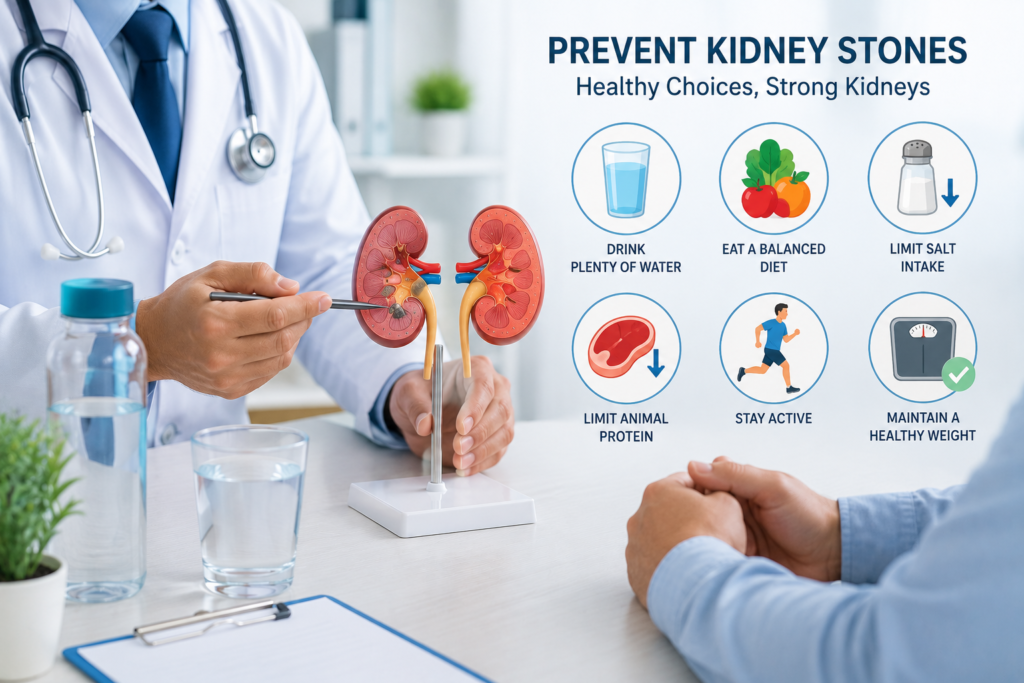
How to Prevent Recurrent Kidney Stones Naturally
A Complete Guide by Dr. Dilip Kumar Mishra
Kidney stones are one of the most painful and recurring urological conditions affecting people of all ages. Even after successful treatment, many patients experience stone formation again if proper lifestyle and dietary changes are not followed. In this article, Dr. Dilip Kumar Mishra, often consulted as a best urologist in Agra, explains how you can naturally reduce the risk of recurrent kidney stones and protect your kidney health in the long term.
Understanding Kidney Stones and Why They Recur
Kidney stones are hard deposits made of minerals and salts that form inside the kidneys. The most common types include calcium oxalate, uric acid, struvite, and cystine stones.
Recurrence happens because the underlying causes often remain unaddressed, such as:
- Low water intake
- High salt or protein diet
- Genetic predisposition
- Metabolic disorders
- Urinary tract infections
- Sedentary lifestyle
Many patients assume that once stones are removed, the problem is solved. However, without preventive care guided by a best urologist in Agra, recurrence rates can be as high as 50% within 5 years.
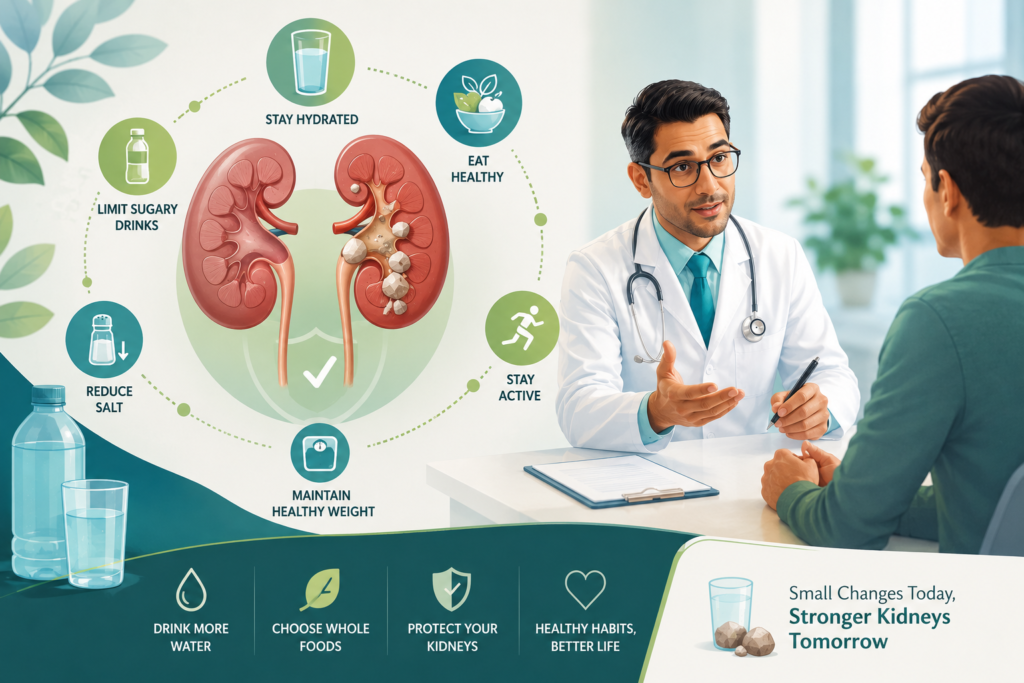
1. Drink Plenty of Water – The Most Effective Natural Prevention
The simplest and most powerful way to prevent kidney stones is hydration. Water helps dilute urine and prevents crystal formation.
Recommended intake:
- 2.5 to 3 liters per day (or more in hot climates like India)
- Increase intake during summer or physical activity
Pro Tip:
Your urine should be light yellow. Dark urine is a warning sign of dehydration and increased stone risk.
Consistent hydration is often the first recommendation given by any best urologist in Agra for preventing stone recurrence.
2. Reduce Salt Intake in Daily Diet
Excess sodium increases calcium levels in urine, which contributes to stone formation.
Foods to limit:
- Packaged snacks
- Pickles
- Fast food
- Processed meats
- Excess table salt
Healthy alternative:
Use natural herbs and spices for flavor instead of salt.
Reducing sodium is one of the most effective long-term strategies recommended by urology experts.
3. Control Animal Protein Consumption
High intake of red meat, chicken, and seafood can increase uric acid levels and reduce citrate in urine, both of which promote stone formation.
Tips:
- Eat moderate portions of protein
- Prefer plant-based protein like lentils and legumes
- Avoid excessive protein supplements unless medically advised
A best urologist in Agra will often advise balancing protein intake rather than eliminating it completely.
4. Increase Citrate-Rich Foods
Citrate helps prevent stones by binding with calcium and preventing crystal formation.
Good sources of citrate:
- Lemons and lemon water
- Oranges
- Sweet lime (mosambi)
- Other citrus fruits
Simple habit:
Start your day with warm lemon water (without sugar) to reduce stone risk naturally.
5. Maintain a Balanced Calcium Intake
Many patients mistakenly avoid calcium thinking it causes stones. In reality, low calcium intake can actually increase stone formation.
Important facts:
- Dietary calcium binds with oxalate in the intestines
- This reduces oxalate absorption into urine
- Low calcium diets may increase kidney stone risk
Sources:
- Milk
- Yogurt
- Paneer
- Green leafy vegetables
Always maintain a balanced diet as advised by your urologist.
6. Limit Oxalate-Rich Foods (If You Are Prone to Stones)
Oxalate combines with calcium to form kidney stones.
High-oxalate foods:
- Spinach
- Beets
- Nuts
- Chocolate
- Tea (excessive consumption)
You don’t need to completely avoid them, but moderation is key—especially if you have a history of stones.
7. Stay Physically Active
A sedentary lifestyle slows down metabolism and can contribute to stone formation.
Simple activities:
- Walking 30–45 minutes daily
- Yoga for kidney health
- Light exercise routines
Physical activity helps maintain healthy calcium metabolism and improves overall kidney function.
8. Avoid Excess Sugary and Carbonated Drinks
Sugary beverages increase stone risk by raising calcium and uric acid levels in urine.
Avoid:
- Soft drinks
- Packaged juices with added sugar
- Energy drinks
Better alternatives:
- Fresh coconut water
- Lemon water
- Plain water
9. Regular Medical Checkups Are Essential
Even after stone removal, follow-up is very important. Imaging tests and urine analysis help detect early signs of recurrence.
Patients often consult Dr. Dilip Kumar Mishra, regarded as a best urologist in Agra, for long-term monitoring and preventive treatment plans.
10. Understand Your Stone Type
Preventive strategies depend heavily on the type of stone you had:
- Calcium stones → Focus on oxalate control
- Uric acid stones → Reduce purine-rich foods
- Infection stones → Treat recurrent UTIs
- Cystine stones → Require specialized treatment
Without identifying the stone type, prevention may not be effective.
When Should You See a Urologist?
Consult a specialist if you experience:
- Severe flank pain
- Blood in urine
- Burning urination
- Frequent recurrence of stones
- Family history of kidney stones
Early consultation can prevent complications and kidney damage.
Final Thoughts
Preventing kidney stones is not about a single diet change—it is about a consistent lifestyle approach. Hydration, balanced diet, reduced salt intake, and regular monitoring can significantly reduce recurrence risk.
With proper guidance from an experienced specialist like Dr. Dilip Kumar Mishra, known as a best urologist in Agra, patients can successfully prevent stones and maintain long-term kidney health.
