

5 Warning Signs Your Kidneys Are in Danger
Your kidneys play a vital role in keeping your body healthy by filtering waste, balancing fluids, and regulating blood pressure. However, kidney problems often develop silently, showing symptoms only when the condition becomes serious. Recognizing the early warning signs can help prevent long-term damage.
In this blog, Dr. Dilip Kumar Mishra, widely known as the best urologist in Agra, explains the top 5 warning signs that your kidneys may be in danger—and when you should seek medical attention.
Why Kidney Health Matters
The kidneys are two bean-shaped organs located on either side of your spine. They perform several crucial functions:
- Filter toxins and waste from the blood
- Maintain electrolyte balance
- Regulate blood pressure
- Support red blood cell production
When kidneys stop functioning properly, harmful waste builds up in the body, leading to serious health complications.
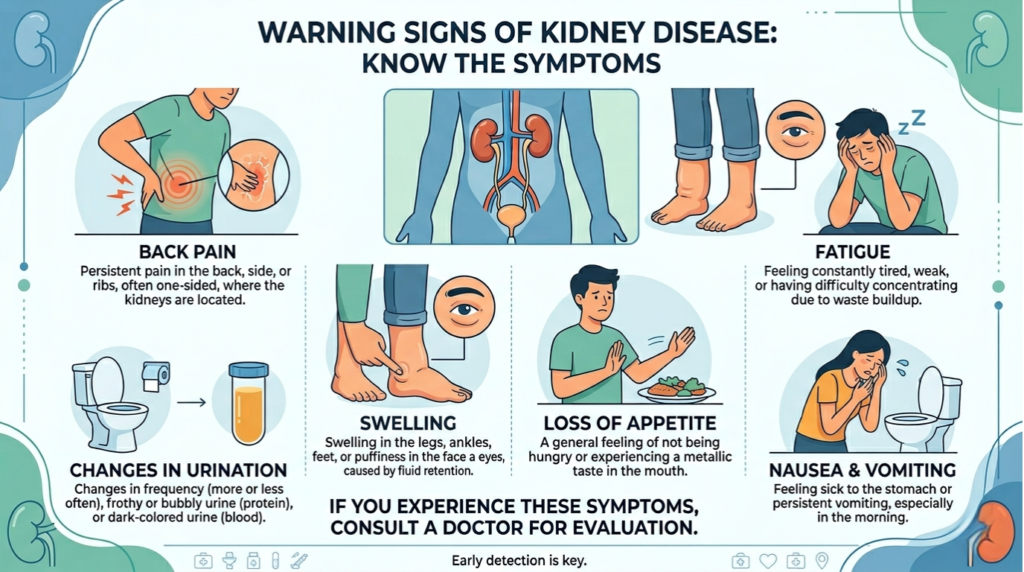
1. Changes in Urination Patterns
One of the earliest and most noticeable signs of kidney trouble is a change in urination.
Watch out for:
- Increased or decreased frequency
- Pain or burning sensation
- Foamy or bubbly urine
- Blood in urine (hematuria)
- Dark or cloudy urine
Healthy kidneys filter waste while retaining essential proteins. If you notice foamy urine, it could indicate protein leakage—a sign of kidney damage.
If you experience any unusual urinary symptoms, consult the best urologist in Agra, Dr. Dilip Kumar Mishra, for a proper evaluation.
2. Persistent Fatigue and Weakness
Feeling tired all the time without any clear reason could be more than just stress—it may signal kidney dysfunction.
Why it happens:
Damaged kidneys produce less erythropoietin, a hormone responsible for red blood cell production. This can lead to anemia, causing:
- Constant fatigue
- Weakness
- Difficulty concentrating
- Shortness of breath
When toxins build up in your bloodstream due to poor kidney function, it can further contribute to exhaustion.
3. Swelling in Feet, Ankles, or Face
Kidneys help maintain fluid balance in the body. When they fail to function properly, excess fluid can accumulate, leading to swelling (edema).
Common areas affected:
- Feet and ankles
- Hands
- Face (especially around the eyes)
This swelling may be more noticeable in the morning or after long periods of sitting or standing.
Persistent swelling should never be ignored, as it may indicate underlying kidney or heart issues.
4. Severe Back or Side Pain
Pain in the lower back or sides (flank pain) can be a sign of kidney problems, especially kidney stones or infections.
Symptoms may include:
- Sharp or cramping pain
- Pain radiating to the lower abdomen or groin
- Nausea or vomiting
- Fever (in case of infection)
Kidney stones, in particular, can cause intense pain and require prompt medical attention. Advanced treatments like laser lithotripsy are available for effective management.
If you experience such symptoms, it’s important to consult the best urologist in Agra for accurate diagnosis and timely treatment.
5. High Blood Pressure
High blood pressure (hypertension) and kidney disease are closely linked.
How they affect each other:
- Damaged kidneys can raise blood pressure
- High blood pressure can damage kidney blood vessels
This creates a dangerous cycle that can worsen kidney function over time.
Regular monitoring of blood pressure is essential, especially if you have risk factors like diabetes, obesity, or a family history of kidney disease.
Additional Warning Signs to Watch
Apart from the main five signs, there are other symptoms that may indicate kidney issues:
- Loss of appetite
- Nausea or vomiting
- Metallic taste in the mouth
- Difficulty sleeping
- Muscle cramps
These symptoms often appear in later stages and should not be ignored.
Who is at Risk of Kidney Disease?
Certain individuals are more prone to kidney problems:
- People with diabetes
- Patients with high blood pressure
- Individuals with a family history of kidney disease
- Smokers
- People with obesity or unhealthy lifestyles
Regular health check-ups are crucial for early detection and prevention.
When Should You See a Doctor?
You should seek medical help immediately if you notice:
- Blood in urine
- Severe or persistent pain
- Sudden swelling
- Significant changes in urination
- Unexplained fatigue
Early diagnosis can prevent complications and improve treatment outcomes.
Consulting an experienced specialist like Dr. Dilip Kumar Mishra, regarded as the best urologist in Agra, ensures you receive expert care and guidance.
How to Keep Your Kidneys Healthy
Prevention is always better than cure. Here are some tips to maintain kidney health:
1. Stay Hydrated
Drink plenty of water to help your kidneys flush out toxins.
2. Eat a Balanced Diet
Reduce salt intake and include fresh fruits and vegetables.
3. Control Blood Sugar and Blood Pressure
Manage underlying conditions effectively.
4. Avoid Overuse of Painkillers
Excessive use of certain medications can harm kidneys.
5. Exercise Regularly
Maintain a healthy weight and improve overall health.
Importance of Regular Check-Ups
Kidney diseases often progress silently. Routine tests such as:
- Blood tests (creatinine levels)
- Urine tests
- Imaging studies
can help detect problems early.
Regular consultation with the best urologist in Agra, Dr. Dilip Kumar Mishra, can make a significant difference in preventing serious kidney conditions.
Conclusion
Your kidneys are essential for your overall well-being, and ignoring early warning signs can lead to severe complications. From changes in urination to persistent fatigue and swelling, these symptoms should never be overlooked.
Timely diagnosis and expert care are key to maintaining kidney health. If you notice any of these warning signs, don’t delay seeking help. Dr. Dilip Kumar Mishra, known as the best urologist in Agra, provides advanced and compassionate care for all types of kidney-related conditions.
