
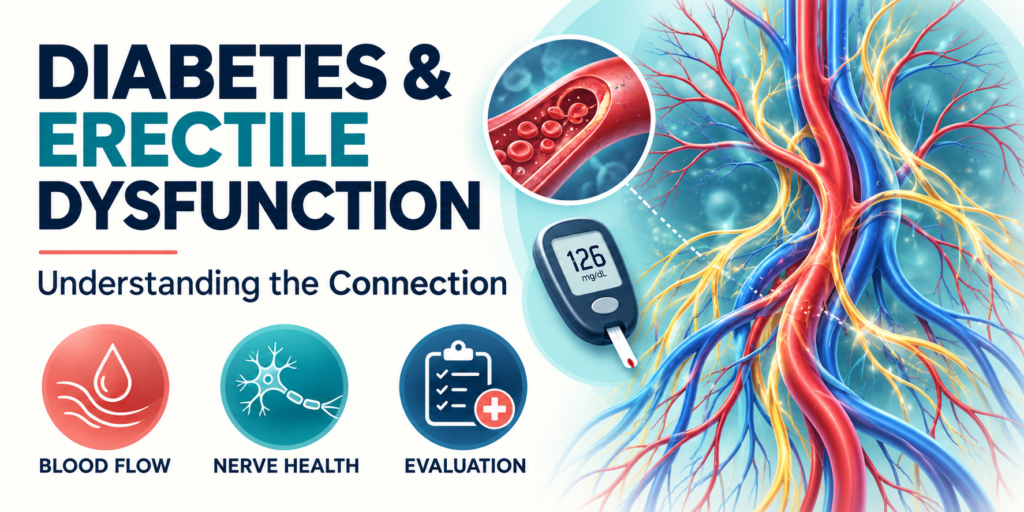
Diabetes and Erectile Dysfunction: Understanding the Connection
Diabetes can affect many parts of the body, including blood vessels and nerves involved in sexual function. For some men, these changes can make it difficult to get or keep an erection. Understanding the link between diabetes and erectile dysfunction can help you seek appropriate care without embarrassment or delay.
Erectile dysfunction (ED) is a recurring difficulty getting or maintaining an erection firm enough for sexual activity. An occasional problem does not always mean you have ED, but ongoing changes deserve attention. Diabetes increases the risk, yet ED is not inevitable—and support and treatment options are available.
How Can Diabetes Affect Erections?
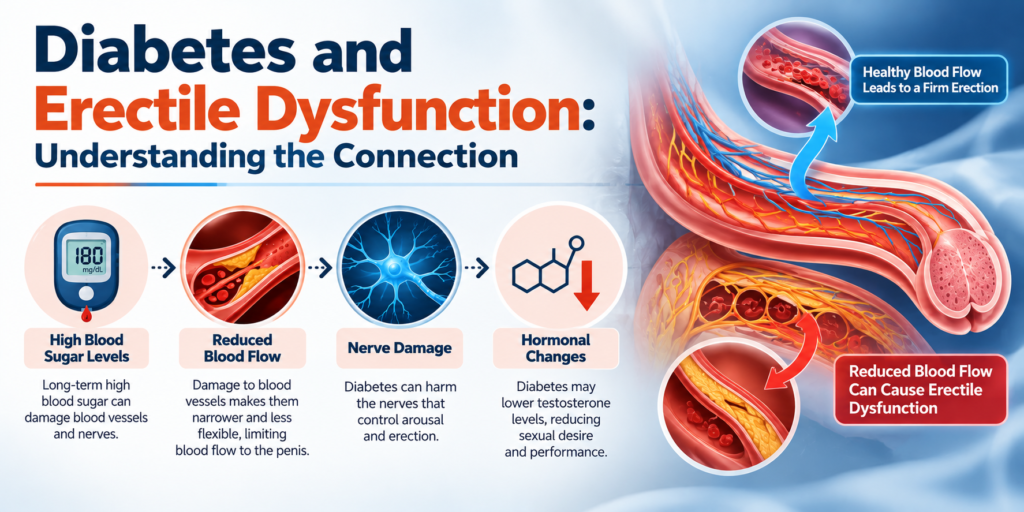
An erection depends on healthy blood flow and nerve messages. Over time, high blood glucose may damage blood vessels and the nerves that help trigger and maintain an erection. Reduced blood flow can make it harder for the penis to become firm; nerve damage can interfere with the signals involved.
Diabetes can also occur alongside high blood pressure, high cholesterol, excess weight and heart or kidney disease. These conditions may further affect circulation and sexual function. Some medicines, including certain blood pressure treatments, can contribute to ED in some people. Stress, anxiety, low mood, relationship concerns and low testosterone may also play a role.
In many cases, there is more than one contributing factor. That is why diabetic erectile dysfunction treatment begins with an individual assessment rather than assuming that blood glucose is the only cause.
ED May Be a Sign to Review Overall Health
Because erections depend on blood flow, new or persistent ED can be a reason to discuss cardiovascular risk with a clinician—especially if you have diabetes. This does not mean ED proves you have heart disease. It means your clinician may want to review your overall health, blood pressure, cholesterol and diabetes management.
Tell your diabetes care team if erection changes begin or worsen. Improving glucose management may help protect blood vessels and nerves and can be one part of care. It may not resolve every case, particularly when nerve or vascular changes are already present, so do not blame yourself if symptoms continue.
How Is Diabetes-Related ED Evaluated?
A doctor or urologist will usually ask about your general health, diabetes history, symptoms, medicines and supplements, sexual function and emotional wellbeing. You may be asked when the problem began, whether it occurs every time and whether erections during sleep or on waking have changed. These questions help identify patterns and possible contributing factors.
The assessment may include a physical examination and selected tests. Depending on your situation, a clinician may review blood glucose or HbA1c, blood pressure, cholesterol, kidney health and hormone levels such as morning testosterone. Not everyone needs the same tests. In some cases, ultrasound or another evaluation of penile blood flow may be considered.
Bring a list of prescribed medicines, over-the-counter products and supplements. Do not stop diabetes, blood pressure or other prescribed medicines on your own; your clinician can consider whether any treatment may contribute and discuss safe alternatives.
Treatment Options for Men with Diabetes
Care depends on the cause, overall health, preferences and medicines you already take. A plan may combine diabetes management with specific ED care. Your diabetes clinician and urologist can coordinate next steps where needed.
Regular physical activity, a balanced eating pattern, avoiding tobacco, limiting alcohol and reaching a suitable weight can support general vascular health. These steps may help some people with ED, but they are not a guaranteed stand-alone cure. Counselling can also help if anxiety, stress or relationship concerns are affecting sexual function.
A clinician may discuss prescription oral ED medicines, devices or other treatments. The appropriate option depends on your health and medication history. Some ED medicines can interact dangerously with certain heart medicines, including nitrates, so mention all prescriptions and supplements before starting treatment. Do not use another person’s tablets or buy ED medicines from unverified online sellers. Some sexual enhancement products have been found to contain hidden drug ingredients.
If a first option is unsuitable or does not help, follow up rather than increasing a dose yourself. A urologist can explain alternatives, their benefits and risks, and whether further testing is appropriate. Treatment is personal; a careful conversation can help you choose an approach that fits your health and priorities.
Talking to a Doctor About ED
ED can feel difficult to bring up, but it is a common medical concern. You can begin simply: “I have diabetes and have noticed ongoing changes in my erections. Could we discuss possible causes and treatment?” Describe when symptoms started and whether they occur consistently. Mention changes in desire, ejaculation, mood or sleep if relevant.
If you are searching for the best urologist in Agra for diabetes-related erectile dysfunction, look for relevant qualifications, respectful communication and a clear evaluation plan. An individual assessment matters. Bring recent blood sugar or HbA1c results, other health reports and a complete medication list. Ask what the findings suggest, whether your heart and blood vessel health should be reviewed, and when to return.
Before your appointment, note when the erection problem began, how often it happens and any recent changes to your medicines, diabetes care, sleep or stress. Bring your latest HbA1c results and blood pressure readings if available. This record is not a diagnosis; it can help you and your clinician discuss patterns, consider possible causes and decide whether further evaluation is appropriate.
An honest conversation may help you find a plan that fits your health.
Consult Dr. Dilip Kumar Mishra
Dr. Dilip Kumar Mishra
MBBS, MS, MRCS (Edinburgh, UK), MCh (Urology), FRLS (Japan), FICS (USA)
Urocare & Child Clinic:
Bhawna Estate, H. No. 24, Babarpur Road, next to NUKKAD CAFE, near Holy Public School, Sikandra, Agra, Uttar Pradesh 282007.
Additional consultation location:
Yatharth Hospital, 610, Kakretha Road, NH 19, near Guru ka Taal, Agra.
Appointments: 9758278670 / 9758278671
Website: drdilipmishraurologist.com
Google Profile: View Dr. Dilip Kumar Mishra on Google
Call to confirm the consultation location and current timings before visiting.
