
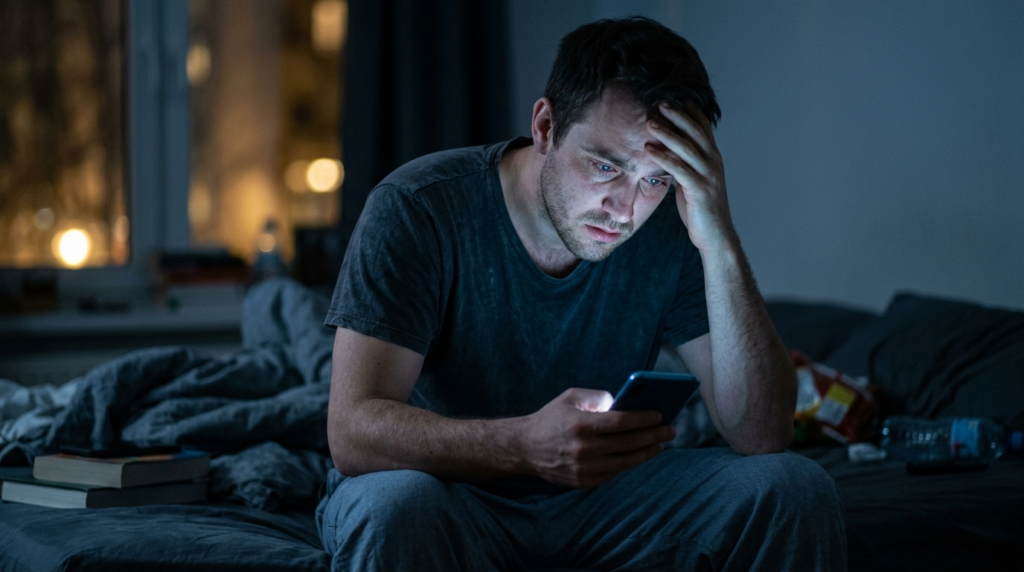
Does Watching Too Much Screen Affect Sexual Health?
By Dr. Dilip Kumar Mishra
In today’s digital world, screens have become an essential part of daily life. From smartphones and laptops to televisions and tablets, people of all age groups are spending increasing amounts of time in front of screens. While technology offers convenience and entertainment, excessive screen time can have serious effects on overall health—including sexual health.
As a best urologist in Agra, Dr. Dilip Kumar Mishra highlights that lifestyle habits, including prolonged screen exposure, can significantly impact hormonal balance, mental well-being, and sexual performance.
Understanding the Link Between Screen Time and Sexual Health
Sexual health is influenced by a combination of physical, psychological, and hormonal factors. Excessive screen time disrupts this balance in multiple ways, affecting sleep patterns, mental health, and physical activity levels. Over time, these changes can lead to reduced libido, erectile dysfunction, and other concerns.
1. Impact on Hormonal Balance
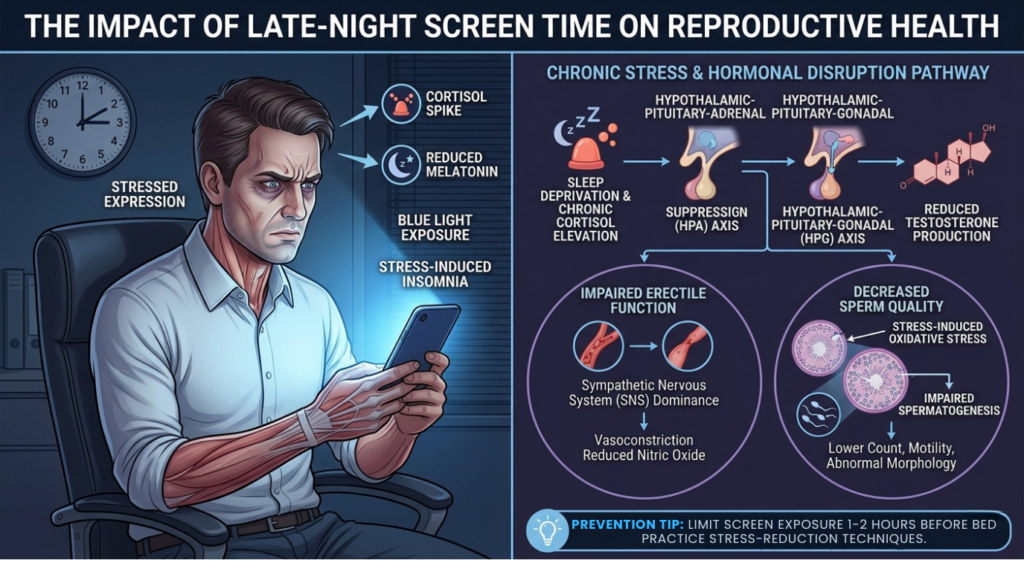
Hormones such as testosterone play a crucial role in sexual health, especially in men. Excessive screen use—particularly at night—can disrupt the body’s natural circadian rhythm.
Exposure to blue light from screens reduces melatonin production, which interferes with sleep quality. Poor sleep, in turn, lowers testosterone levels, leading to decreased sexual desire and performance.
According to experts, maintaining a healthy sleep cycle is essential for hormonal balance and reproductive health. As the best urologist in Agra, Dr. Mishra advises limiting screen time before bedtime to protect hormone levels.
2. Sedentary Lifestyle and Reduced Physical Fitness
Spending long hours sitting in front of screens often leads to a sedentary lifestyle. Lack of physical activity is directly linked to obesity, poor blood circulation, and reduced stamina—all of which can negatively impact sexual health.
Good blood flow is essential for sexual function, particularly for achieving and maintaining erections. A sedentary routine can impair circulation, increasing the risk of erectile dysfunction.
Regular exercise, on the other hand, improves cardiovascular health and boosts sexual performance.
3. Mental Health and Stress
Excessive screen time is associated with increased stress, anxiety, and depression. Social media comparisons, work pressure, and digital overload can take a toll on mental well-being.
Mental health plays a vital role in sexual desire and satisfaction. High stress levels can reduce libido and lead to performance anxiety. In some cases, it may even contribute to conditions like premature ejaculation or erectile dysfunction.
Dr. Dilip Kumar Mishra, recognized as the best urologist in Agra, emphasizes that managing stress is crucial for maintaining a healthy sex life.
4. Effect of Excessive Porn Consumption
One of the most significant concerns related to screen time is the overconsumption of online adult content. Watching excessive pornography can alter brain responses and expectations regarding intimacy.
This can lead to:
- Reduced interest in real-life partners
- Delayed ejaculation
- Erectile dysfunction
- Unrealistic expectations about sexual relationships
Over time, the brain may become desensitized, making it harder to achieve satisfaction in real-life situations. This condition is sometimes referred to as porn-induced erectile dysfunction.
5. Sleep Disturbances and Sexual Health
Late-night screen usage is a common habit, especially among young adults. However, poor sleep quality can severely affect sexual health.
Sleep deprivation reduces energy levels, increases irritability, and lowers libido. It also affects hormone production, including testosterone.
Studies show that men who get adequate sleep tend to have higher testosterone levels and better sexual performance.
As the best urologist in Agra, Dr. Mishra recommends maintaining a regular sleep schedule and avoiding screens at least 1 hour before bedtime.
6. Relationship Issues Due to Screen Addiction
Excessive screen time can also impact personal relationships. Spending more time on phones or laptops can reduce emotional connection between partners.
Lack of communication and intimacy may lead to dissatisfaction in relationships, which can further affect sexual health.
Healthy relationships require quality time, communication, and emotional bonding—all of which are often compromised due to screen addiction.
7. Digital Fatigue and Reduced Libido
Continuous exposure to screens can cause digital fatigue, characterized by mental exhaustion, eye strain, and lack of motivation.
This fatigue can reduce interest in physical activities, including sexual intimacy. Over time, it may lead to decreased libido and overall dissatisfaction.
Signs That Screen Time Is Affecting Your Sexual Health
It is important to recognize early warning signs, such as:
- Reduced sexual desire
- Difficulty in achieving or maintaining erections
- Increased stress or anxiety
- Poor sleep quality
- Lack of interest in real-life intimacy
- Relationship conflicts
If you experience any of these symptoms, it may be time to reassess your screen habits.
Tips to Maintain Healthy Screen Habits
Making simple lifestyle changes can significantly improve both overall and sexual health:
1. Limit Screen Time
Set daily limits for non-essential screen use, especially on social media and entertainment platforms.
2. Avoid Screens Before Bed
Stop using screens at least 60 minutes before sleeping to improve sleep quality.
3. Stay Physically Active
Engage in regular exercise such as walking, jogging, or gym workouts to improve blood circulation and stamina.
4. Practice Digital Detox
Take regular breaks from screens, especially during weekends or vacations.
5. Focus on Real-Life Relationships
Spend quality time with your partner to strengthen emotional and physical intimacy.
6. Seek Professional Help
If sexual health issues persist, consult a specialist for proper diagnosis and treatment.
When to Consult a Urologist?
You should consult a urologist if:
- Sexual performance issues persist
- You experience erectile dysfunction
- There is a significant drop in libido
- You feel chronic fatigue or stress affecting your life
Early diagnosis can help prevent complications and improve quality of life.
Expert Advice from Dr. Dilip Kumar Mishra
Dr. Dilip Kumar Mishra, widely regarded as the best urologist in Agra, emphasizes that modern lifestyle habits are a major contributor to sexual health issues. While technology is unavoidable, maintaining a balance is key.
He advises patients to adopt a healthy lifestyle, prioritize sleep, stay active, and limit unnecessary screen exposure to maintain optimal sexual health.
Conclusion
Excessive screen time is more than just a habit—it is a lifestyle factor that can significantly affect sexual health. From hormonal imbalance and poor sleep to mental stress and relationship issues, the impact is wide-ranging.
The good news is that these effects are largely reversible with simple lifestyle changes. By reducing screen time, staying active, and maintaining healthy relationships, individuals can improve both their overall well-being and sexual health.
If you are experiencing any concerns, consulting an expert like Dr. Dilip Kumar Mishra, the best urologist in Agra, can help you find the right solution and regain confidence in your health.
