

Why Frequent Urination Happens at Night (Nocturia Explained)
By Dr. Dilip Mishra
Waking up multiple times at night to urinate can be frustrating, exhausting, and disruptive to your overall well-being. This condition, medically known as nocturia, affects millions of people worldwide—especially as they age. While occasional nighttime urination is normal, frequent interruptions to your sleep may signal an underlying issue that needs attention.
In this article, we’ll explore what nocturia is, its causes, symptoms, risk factors, and when to consult the best urologist in Agra for proper diagnosis and treatment.
What is Nocturia?
Nocturia is a condition in which a person wakes up one or more times during the night to pass urine. Unlike bedwetting, nocturia involves conscious waking and the need to urinate. While one trip to the bathroom at night may be normal, waking up two or more times regularly can disturb sleep cycles and impact your quality of life.
Common Causes of Nocturia
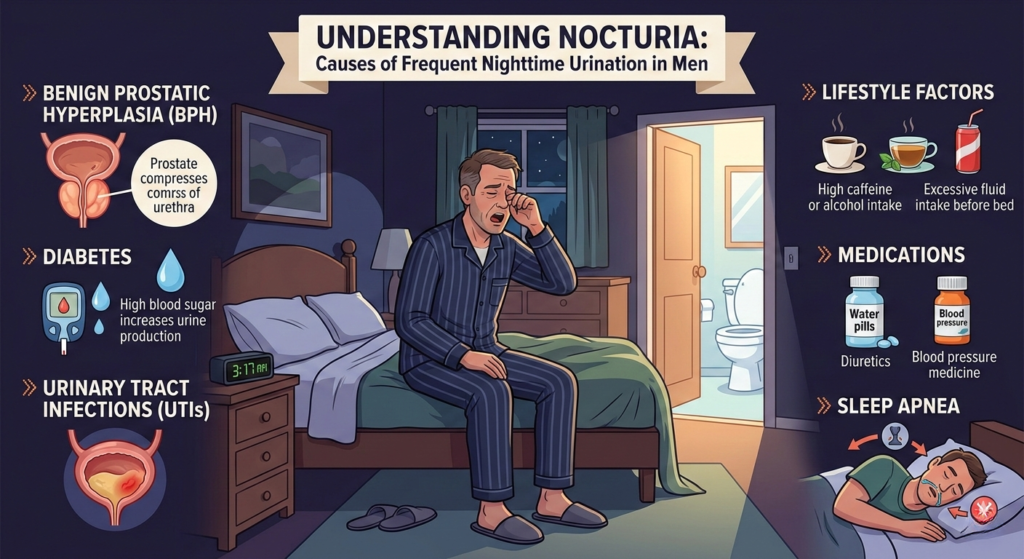
Nocturia is not a disease itself but a symptom of various underlying conditions. Here are some of the most common causes:
1. Excessive Fluid Intake Before Bed
Drinking too much water, tea, coffee, or alcohol in the evening can increase urine production at night. Caffeine and alcohol also act as diuretics, stimulating urine formation.
2. Aging and Hormonal Changes
As we age, the body produces less of the hormone ADH (antidiuretic hormone), which helps concentrate urine at night. This leads to increased urine production and frequent nighttime urination.
3. Enlarged Prostate (BPH)
In men, an enlarged prostate (Benign Prostatic Hyperplasia) can press against the bladder and urethra, causing incomplete emptying and frequent urges to urinate, especially at night. Consulting the best urologist in Agra is essential for early diagnosis and management.
4. Urinary Tract Infections (UTIs)
UTIs can irritate the bladder lining, causing a constant urge to urinate along with burning sensation and discomfort.
5. Overactive Bladder
This condition causes sudden and frequent urges to urinate, even when the bladder isn’t full. It can occur both during the day and at night.
6. Diabetes
Both Type 1 and Type 2 diabetes can cause nocturia due to high blood sugar levels, leading to increased urine production.
7. Sleep Disorders
Conditions like sleep apnea can indirectly cause nocturia. Poor sleep quality affects hormone levels, leading to increased urine production at night.
8. Medications
Certain medications such as diuretics (used for high blood pressure or heart conditions) can increase urine output, especially if taken in the evening.
Symptoms Associated with Nocturia
Besides frequent nighttime urination, you may experience:
- Interrupted sleep
- Daytime fatigue or drowsiness
- Difficulty falling back asleep
- Increased risk of falls (especially in elderly individuals)
- Reduced productivity and concentration
If these symptoms persist, it’s advisable to consult the best urologist in Agra for a comprehensive evaluation.
Risk Factors
Certain factors can increase your likelihood of developing nocturia:
- Age (more common in people over 50)
- Diabetes
- High blood pressure
- Obesity
- Prostate enlargement (in men)
- Bladder disorders
- Lifestyle habits (excess caffeine/alcohol intake)
Understanding these risk factors can help in early detection and prevention.
Diagnosis of Nocturia
To determine the exact cause, a urologist may recommend:
1. Medical History Review
Your doctor will ask about fluid intake, medications, and lifestyle habits.
2. Urine Analysis
Helps detect infections, diabetes, or kidney issues.
3. Bladder Diary
Tracking your urination pattern over 24 hours helps identify abnormalities.
4. Blood Tests
Used to check blood sugar levels and kidney function.
5. Imaging Tests
Ultrasound or other imaging techniques may be used to examine the bladder or prostate.
For accurate diagnosis and personalized treatment, visiting the best urologist in Agra ensures you receive expert care.
Treatment Options for Nocturia
Treatment depends on the underlying cause. Here are some common approaches:
1. Lifestyle Modifications
- Reduce fluid intake before bedtime
- Avoid caffeine and alcohol in the evening
- Elevate legs during the day to reduce fluid retention
- Maintain a healthy weight
2. Medications
- Drugs to treat overactive bladder
- Medications for enlarged prostate
- Hormone therapy (in some cases)
3. Treating Underlying Conditions
Managing diabetes, sleep apnea, or infections can significantly reduce nocturia symptoms.
4. Behavioral Therapies
Bladder training and pelvic floor exercises can help improve bladder control.
When Should You See a Urologist?
You should consult a doctor if:
- You wake up more than twice every night to urinate
- Nocturia is affecting your sleep and daily life
- You experience pain, burning, or blood in urine
- You have other symptoms like excessive thirst or fatigue
Seeking timely medical advice from the best urologist in Agra can help prevent complications and improve your quality of life.
Tips to Manage Nocturia Naturally
Here are some simple tips to reduce nighttime urination:
- Limit fluids 2–3 hours before bedtime
- Empty your bladder completely before sleeping
- Avoid salty foods at night
- Maintain a regular sleep schedule
- Practice pelvic floor exercises
Conclusion
Nocturia may seem like a minor inconvenience, but it can significantly impact your sleep, health, and overall lifestyle. The key to managing nocturia lies in identifying its root cause and seeking timely medical attention.
If you or your loved ones are experiencing frequent nighttime urination, don’t ignore the signs. Early diagnosis and proper treatment can make a big difference. Consulting the best urologist in Agra, like Dr. Dilip Mishra, ensures you receive expert guidance and effective care tailored to your condition.
Prioritize your health and take the first step toward better sleep and improved well-being today.
