
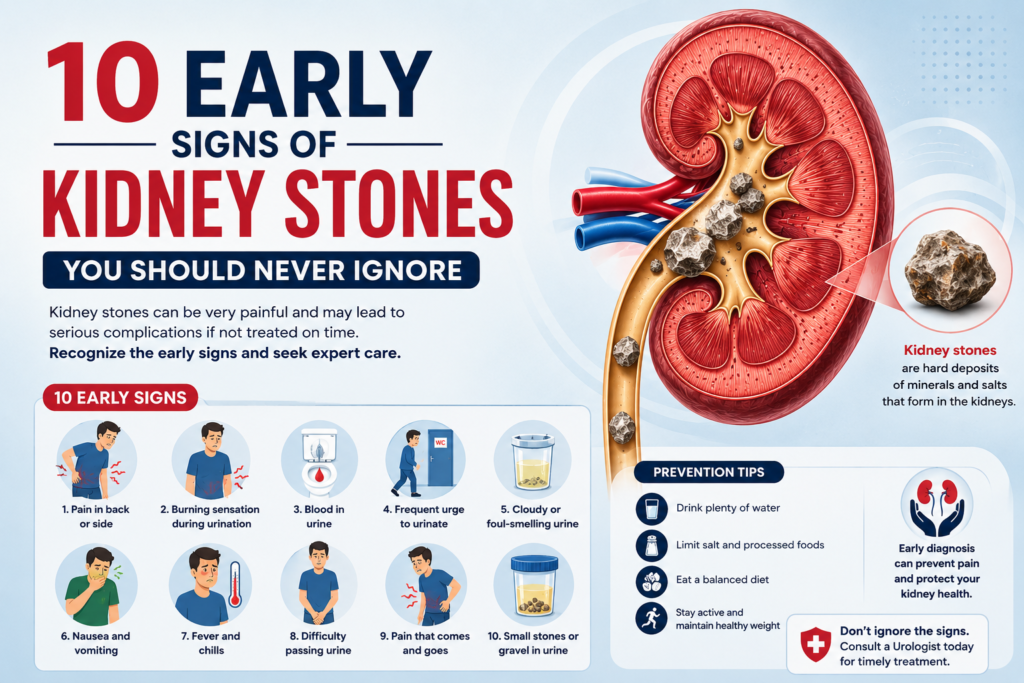
10 Early Signs of Kidney Stones You Should Never Ignore
Expert Advice by Dr. Dilip Kumar Mishra – Best Urologist in Agra
Kidney stones are one of the most common urological problems affecting people of all age groups. Many patients ignore the early symptoms until the pain becomes unbearable. Detecting kidney stones at an early stage can help prevent severe complications, infections, and emergency hospitalization.
According to experienced urologists, timely diagnosis and proper treatment can make recovery faster and less painful. If you are experiencing unusual urinary symptoms or back pain, it is important to consult an expert. Patients looking for the best urologist in Agra often seek professional care for accurate diagnosis and advanced kidney stone treatment options.
Dr. Dilip Kumar Mishra is known for providing advanced and patient-focused urological care for kidney stones, urinary infections, prostate disorders, and other urinary tract conditions.
What Are Kidney Stones?
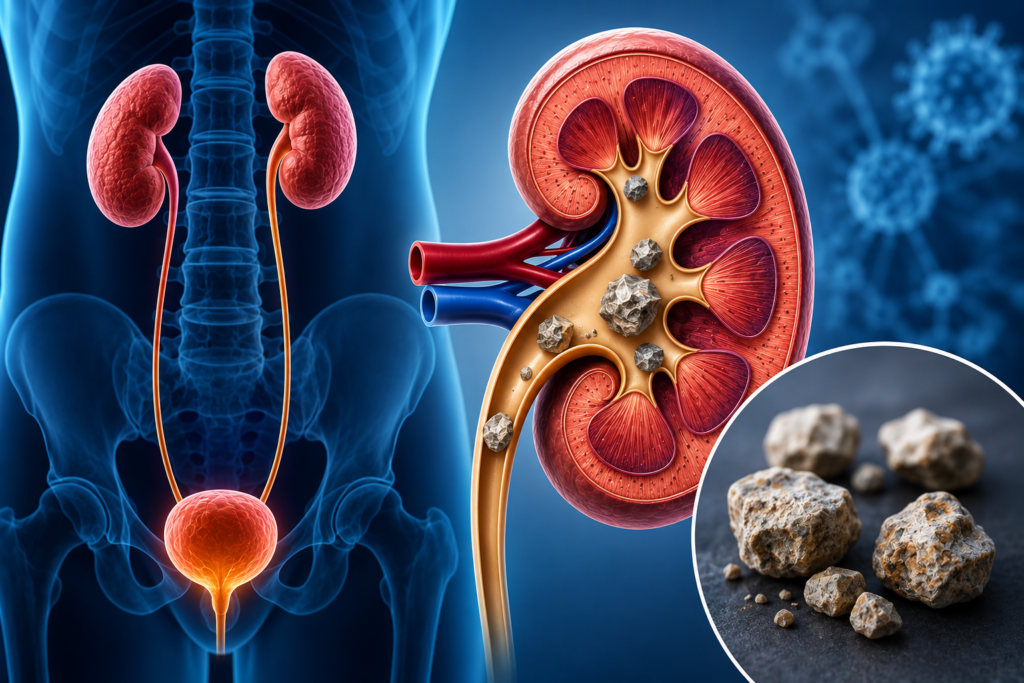
Kidney stones are hard mineral and salt deposits that form inside the kidneys. These stones can vary in size—from tiny crystal-like particles to larger stones that block the urinary tract.
Kidney stones develop due to several reasons, including:
- Dehydration
- High salt intake
- Excess calcium or uric acid
- Urinary infections
- Family history
- Poor dietary habits
When left untreated, kidney stones can cause severe pain, infection, and kidney damage.
10 Early Signs of Kidney Stones You Should Never Ignore
1. Severe Pain in the Back or Side
One of the earliest and most common signs of kidney stones is intense pain in the lower back, side, or abdomen. The pain usually occurs when the stone starts moving through the urinary tract.
Patients often describe it as:
- Sharp pain
- Cramping sensation
- Sudden waves of pain
- Pain radiating toward the groin
If the pain becomes severe, immediate consultation with the best urologist in Agra is recommended.
2. Burning Sensation During Urination
A burning or painful feeling while urinating may indicate that the kidney stone has moved closer to the bladder.
This symptom is often confused with a urinary tract infection (UTI), but kidney stones can also irritate the urinary tract lining and cause discomfort during urination.
3. Blood in Urine
Blood in urine, medically called hematuria, is another warning sign that should never be ignored.
You may notice:
- Pink urine
- Red-colored urine
- Brownish urine
Kidney stones can scratch the inner lining of the urinary tract, leading to bleeding. Even a small amount of blood requires medical attention.
4. Frequent Urge to Urinate
If you suddenly feel the need to urinate more often than usual, it could be due to a kidney stone irritating the bladder or urinary tract.
This symptom commonly appears when the stone reaches the lower urinary tract.
Many patients searching for the best kidney stone doctor in Agra report frequent urination as an early symptom before diagnosis.
5. Cloudy or Foul-Smelling Urine
Healthy urine is usually clear and mild in smell. Cloudy urine or strong odor may indicate infection associated with kidney stones.
Infections combined with kidney stones can become serious if not treated on time.
6. Nausea and Vomiting
Kidney stones can affect the digestive system because the kidneys and digestive tract share nerve connections.
Many patients experience:
- Nausea
- Vomiting
- Loss of appetite
These symptoms often occur along with severe pain.
7. Fever and Chills
Fever is not a normal symptom of simple kidney stones. If fever occurs with urinary pain, it may indicate an infection in the urinary tract or kidneys.
This condition requires urgent treatment from an experienced urologist because infections can spread rapidly.
Consulting the best urologist in Agra at the right time can help prevent complications.
8. Difficulty Passing Urine
Large kidney stones may block the urinary tract and reduce urine flow.
Symptoms may include:
- Interrupted urine stream
- Difficulty urinating
- Pain while urinating
- Feeling of incomplete bladder emptying
Urinary blockage can damage the kidneys if ignored for too long.
9. Pain That Comes and Goes
Kidney stone pain often changes location and intensity as the stone moves through the urinary tract.
You may feel:
- Sudden severe pain
- Temporary relief
- Pain shifting from back to lower abdomen
This moving pain pattern is a classic symptom of kidney stones.
10. Small Stones or Gravel in Urine
Some patients pass tiny kidney stones naturally through urine. You may notice:
- Sand-like particles
- Small crystals
- Tiny stones in urine
Even small stones should be evaluated because they may indicate a tendency to develop larger stones later.
Who Is at Higher Risk of Kidney Stones?
Certain people are more likely to develop kidney stones, including:
- People who drink less water
- Individuals with high salt diets
- Patients with obesity
- People with family history of stones
- Individuals with recurrent UTIs
- Diabetic patients
Hot weather and dehydration also increase kidney stone risk, especially during Indian summers.
How Are Kidney Stones Diagnosed?
An experienced urologist may recommend:
- Ultrasound
- CT scan
- Urine tests
- Blood tests
- X-rays
Early diagnosis helps determine the size and location of the stone and allows timely treatment.
Treatment Options for Kidney Stones
Treatment depends on the size and type of kidney stone.
Small Kidney Stones
Small stones may pass naturally with:
- Increased water intake
- Pain medications
- Dietary changes
Advanced Treatment Options
Larger stones may require:
- Laser stone surgery
- URS (Ureteroscopy)
- PCNL procedure
- Shock wave therapy
Patients searching for advanced kidney stone treatment often look for the best urologist in Agra for minimally invasive procedures and faster recovery.
Tips to Prevent Kidney Stones
You can reduce your risk of kidney stones by:
- Drinking 3–4 liters of water daily
- Limiting salt intake
- Avoiding excessive soft drinks
- Eating balanced meals
- Reducing processed food consumption
- Following medical advice regularly
Prevention is always better than painful treatment later.
When Should You Visit a Urologist?
You should consult a urologist immediately if you experience:
- Severe back pain
- Blood in urine
- Burning urination
- Fever with urinary symptoms
- Repeated urinary infections
Ignoring these symptoms may lead to complications and kidney damage.
Consult Dr. Dilip Kumar Mishra for Kidney Stone Treatment
If you are suffering from kidney stone symptoms or urinary problems, timely treatment is extremely important. Dr. Dilip Kumar Mishra provides expert care for kidney stones and other urological conditions using modern diagnostic and treatment methods.
Patients looking for the best urologist in Agra trust Dr. Dilip Kumar Mishra for compassionate care, accurate diagnosis, and advanced treatment solutions.
Early detection can save you from severe pain and future complications. Do not ignore the warning signs of kidney stones—consult a qualified urologist today.

This article gives a clear overview of kidney stones, early symptoms, and the importance of proper diagnosis and treatment from a urology specialist.
This article provides valuable information about the early warning signs of kidney stones and the importance of seeking medical attention before symptoms become severe. Raising awareness about prevention, diagnosis, and treatment options can help many people avoid unnecessary complications. For readers who enjoy informative guides and active communities, I also recommend Final Fantasy Resonance for updates, resources, and discussions.
Now feeling confident enough in this site to use it as a reference point for evaluating others on the same topic, and a look at apinaa continued the comparison friendly quality, sites that serve as quality benchmarks for their topic are precious and this one has clearly become a benchmark for me on this particular subject area.
This is a helpful health article because it explains early kidney stone signs in a simple way. Reminders about early diagnosis and proper treatment are really important.
Nice post. The points were easy to follow and gave me a better understanding of the topic.
Hopearth.org is an independent Hop Earth player guide covering how to play, controls, real-world driving routes, mobile and multiplayer help, and common troubleshooting solutions.Outside of this topic, I also use Hopearth.org for Hop Earth controls, real-world route ideas, and troubleshooting guides.
For anyone interested in the game, Narinig Mo Ba brings together practical gameplay information, version details, and help for common issues in one convenient place.