
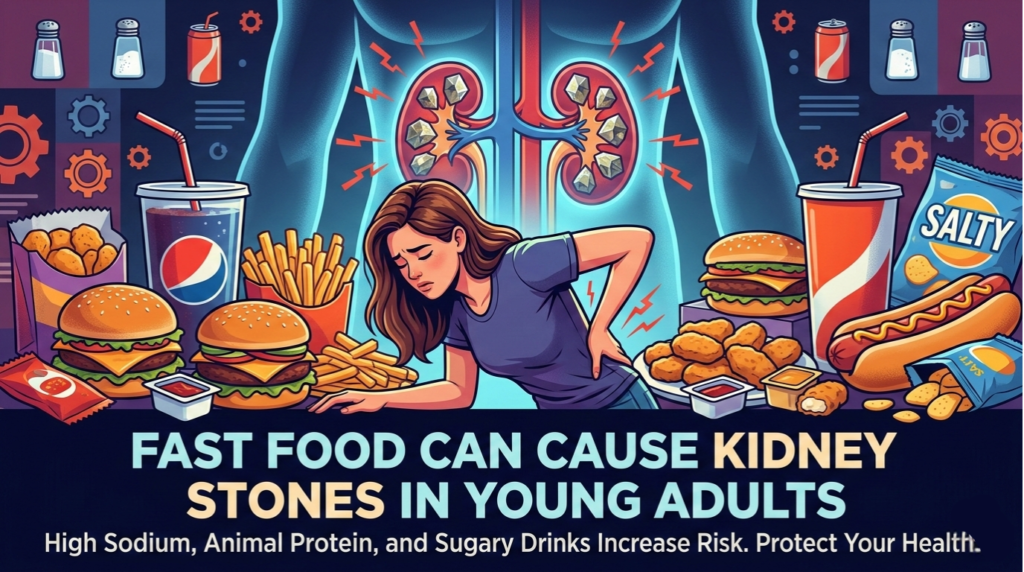
How Fast Food Is Increasing Kidney Stone Risk in Young Adults
In recent years, kidney stones have become increasingly common among young adults—a condition once primarily associated with older individuals. One of the biggest culprits behind this alarming trend is the rising consumption of fast food and ultra-processed diets. From burgers and fries to sugary beverages and packaged snacks, modern eating habits are putting immense pressure on kidney health.
According to Dr. Dilip Kumar Mishra, the best urologist in Agra, unhealthy dietary habits—especially frequent fast food consumption—are one of the leading causes behind the growing number of kidney stone cases in younger patients.
Understanding Kidney Stones
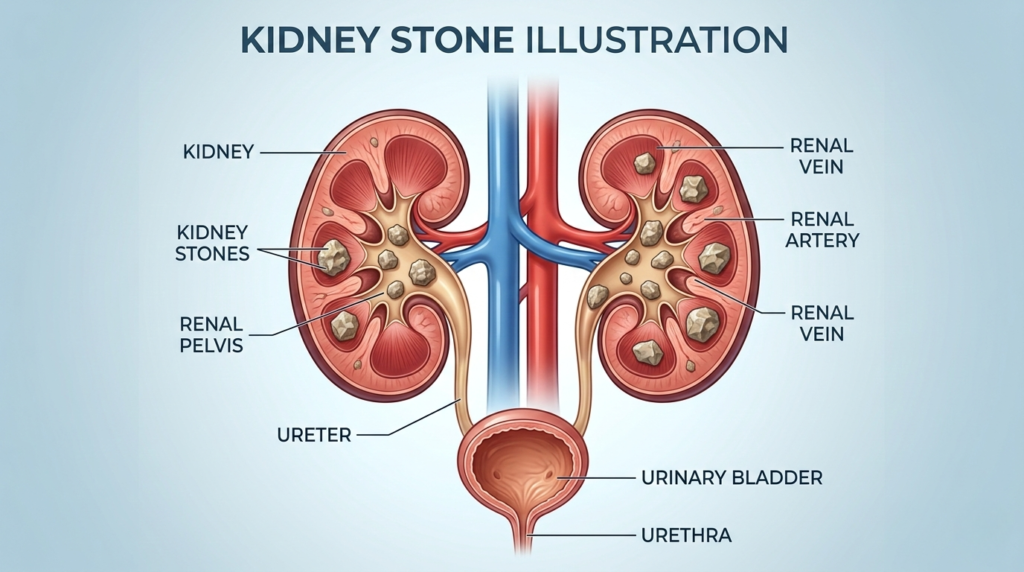
Kidney stones are hard deposits made of minerals and salts that form inside the kidneys. These stones can cause severe pain, urinary issues, and complications if not treated properly. The most common types include calcium oxalate stones, uric acid stones, and struvite stones.
While genetics and medical conditions play a role, lifestyle factors—particularly diet—have become the most significant contributors today.
The Fast Food Boom Among Young Adults
Today’s youth rely heavily on convenience foods. Busy schedules, work pressure, and easy accessibility have made fast food a regular part of daily life. Unfortunately, these foods are high in sodium, unhealthy fats, refined sugars, and artificial additives—all of which can harm kidney function.
Dr. Dilip Kumar Mishra, widely regarded as the best urologist in Agra, emphasizes that a consistent intake of processed food significantly increases the risk of kidney stone formation and other urinary tract issues.
How Fast Food Leads to Kidney Stones
1. Excessive Sodium Intake
Fast foods are loaded with salt. A single fast-food meal can exceed the recommended daily sodium intake.
High sodium levels increase calcium excretion in urine, which can combine with oxalate to form kidney stones. Over time, this creates an ideal environment for stone formation.
2. High Consumption of Added Sugars
Sugary drinks like sodas, energy drinks, and desserts are a major part of fast-food culture. Excess sugar disrupts the balance of minerals in the body and increases calcium and oxalate levels in urine.
This significantly raises the likelihood of developing kidney stones at a young age.
3. Low Fluid Intake and Dehydration
Fast food habits are often paired with poor hydration. Many young adults prefer soft drinks over water, leading to chronic dehydration.
When urine becomes concentrated, minerals crystallize more easily, forming stones. Staying hydrated is one of the simplest yet most effective preventive measures.
4. High Animal Protein Diet
Fast food meals often contain large portions of red and processed meat. Excess animal protein increases uric acid levels and reduces citrate, which helps prevent stones.
This imbalance promotes both uric acid and calcium stone formation.
5. Harmful Additives and Preservatives
Ultra-processed foods contain chemicals and additives that can strain kidney function. Over time, these substances contribute to the buildup of stone-forming minerals.
Dr. Dilip Kumar Mishra, the best urologist in Agra, notes that long-term consumption of processed foods not only increases stone risk but can also lead to chronic kidney issues if ignored.
Why Young Adults Are More at Risk
Young individuals today face a combination of lifestyle factors that increase their vulnerability:
- Frequent consumption of junk and fast food
- Sedentary lifestyle with minimal physical activity
- High intake of sugary beverages
- Irregular eating patterns
- Lack of awareness about kidney health
These habits collectively contribute to rising cases of kidney stones among people in their 20s and 30s.
Early Signs of Kidney Stones
Recognizing symptoms early can help prevent complications. Common warning signs include:
- Severe pain in the lower back or side
- Burning sensation during urination
- Blood in urine
- Frequent urge to urinate
- Nausea or vomiting
If you notice any of these symptoms, it is essential to seek medical attention promptly. Consulting Dr. Dilip Kumar Mishra, the best urologist in Agra, can help in early diagnosis and effective treatment.
Preventing Kidney Stones: Simple Lifestyle Changes
The good news is that kidney stones are largely preventable with the right lifestyle choices.
1. Stay Hydrated
Drink at least 2.5 to 3 liters of water daily to keep urine diluted and reduce the risk of stone formation.
2. Limit Fast Food
Cut down on processed and junk foods. Replace them with fresh, home-cooked meals.
3. Reduce Salt Intake
Avoid high-sodium foods such as chips, packaged snacks, and restaurant meals.
4. Control Sugar Consumption
Limit sugary drinks and desserts to maintain a healthy mineral balance in the body.
5. Eat a Balanced Diet
Include fruits, vegetables, and whole grains. Adequate calcium intake can also help prevent certain types of stones.
6. Stay Active
Regular exercise improves metabolism and reduces the risk of obesity-related kidney problems.
When to Consult a Specialist
If you have a history of kidney stones or recurring urinary symptoms, it’s important to consult a specialist without delay.
Dr. Dilip Kumar Mishra, known as the best urologist in Agra, offers advanced diagnosis and treatment options for kidney stones, ensuring personalized care and long-term prevention strategies.
Conclusion
Fast food may be convenient, but its impact on kidney health is serious—especially for young adults. High sodium, excessive sugar, dehydration, and processed ingredients all contribute to the increasing incidence of kidney stones.
Making mindful dietary choices and adopting a healthier lifestyle can significantly reduce your risk. Prevention, awareness, and timely medical consultation are key to maintaining kidney health.
If you’re experiencing symptoms or want expert advice, consult Dr. Dilip Kumar Mishra, the best urologist in Agra, and take the first step toward a healthier, stone-free life.
