

Why Children Can Also Get Kidney Stones
By Dr. Dilip Kumar Mishra
Kidney stones are often considered an adult health issue, but in recent years, an increasing number of children have been diagnosed with this painful condition. Many parents are surprised to learn that even infants and teenagers can develop kidney stones. As a best urologist in Agra, Dr. Dilip Kumar Mishra emphasizes that early awareness, diagnosis, and preventive care are crucial in managing pediatric kidney stones effectively.
What Are Kidney Stones?
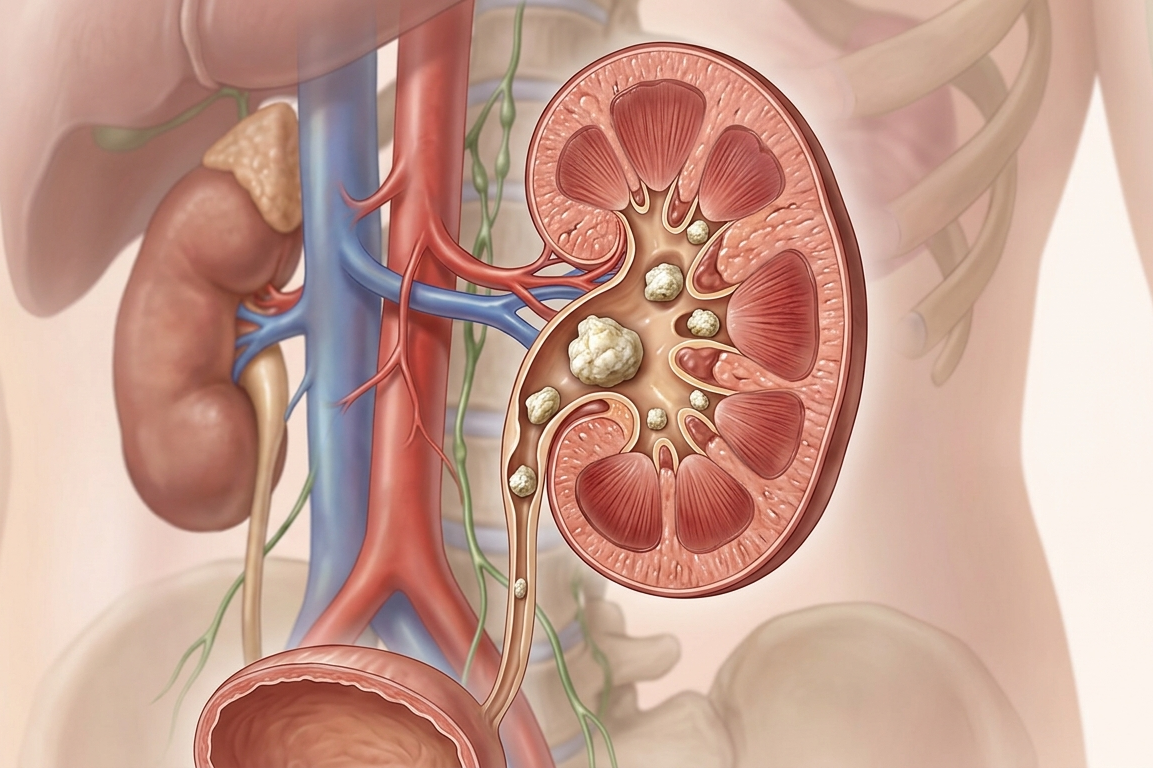
Kidney stones are hard deposits made of minerals and salts that form inside the kidneys. They develop when certain substances such as calcium, oxalate, and uric acid become highly concentrated in the urine, leading to crystal formation. (NIDDK)
While kidney stones are more common in adults, children are increasingly being affected due to changes in diet, lifestyle, and environmental factors.
Why Are Kidney Stones Increasing in Children?
Over the past few decades, studies have shown a rise in kidney stone cases among children and teenagers. Experts believe this increase is linked to multiple factors such as poor dietary habits, dehydration, and sedentary lifestyles. (National Kidney Foundation)
Dr. Dilip Kumar Mishra, known as the best urologist in Agra, notes that modern lifestyle patterns—especially high consumption of processed foods and low water intake—are major contributors.
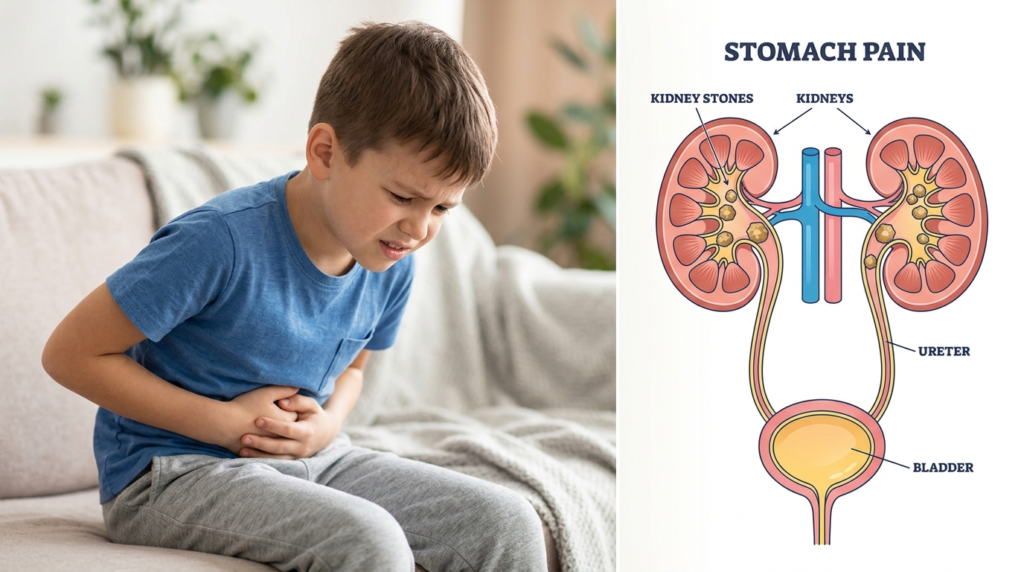
Causes of Kidney Stones in Children
Understanding the causes is essential for prevention and treatment. Below are the most common reasons why children develop kidney stones:
1. Dehydration (Low Water Intake)
One of the leading causes of kidney stones in children is insufficient fluid intake. When children do not drink enough water, their urine becomes concentrated, allowing minerals to crystallize and form stones. (NIDDK)
Children who play outdoors frequently or live in hot climates like Agra are at higher risk due to excessive sweating.
2. Unhealthy Diet
Diet plays a significant role in the formation of kidney stones. Foods high in salt, sugar, and processed ingredients increase the risk. Excess sodium forces more calcium into the urine, which can lead to stone formation. (NIDDK)
Low intake of fruits and vegetables also contributes to imbalance in urine composition.
3. High Salt and Junk Food Consumption
Fast foods, chips, packaged snacks, and sugary drinks are commonly consumed by children today. These foods increase the levels of stone-forming substances in the body. (National Kidney Foundation)
As a best urologist in Agra, Dr. Mishra often advises parents to limit junk food intake in children to prevent kidney-related issues.
4. Genetic Factors
Family history plays a crucial role. Children whose parents or close relatives have had kidney stones are more likely to develop them. (National Kidney Foundation)
Certain inherited conditions like cystinuria or primary hyperoxaluria can also increase the risk.
5. Medical Conditions
Some underlying health conditions can contribute to kidney stone formation in children, such as:
- Urinary tract infections (UTIs)
- Metabolic disorders
- Kidney abnormalities
These conditions can alter urine composition and promote stone formation. (Mayo Clinic)
6. Excess Calcium or Vitamin Supplements
While calcium is essential for growth, excessive intake through supplements can increase calcium levels in urine, leading to stone formation. (National Kidney Foundation)
It is important to consult a specialist like the best urologist in Agra before giving supplements to children.
7. Lack of Physical Activity
Children who are inactive or immobilized for long periods (such as after surgery) may develop kidney stones. This happens because bones release extra calcium into the bloodstream when the body is not moving. (NIDDK)
8. Certain Medications
Some medications, including those used for acidity or other chronic conditions, may increase the risk of kidney stones in children. (National Kidney Foundation)
Symptoms of Kidney Stones in Children
Recognizing symptoms early can help in timely treatment. Common symptoms include:
- Severe pain in the back, side, or lower abdomen
- Pain during urination
- Blood in urine
- Frequent urge to urinate
- Nausea and vomiting
- Fever (in case of infection)
In younger children, symptoms may include irritability or unexplained crying. (NIDDK)
If your child experiences any of these symptoms, consult a specialist immediately.
Types of Kidney Stones in Children
Children can develop different types of kidney stones, including:
- Calcium stones (most common)
- Uric acid stones
- Cystine stones (genetic)
- Struvite stones (infection-related)
Each type has different causes and requires specific treatment approaches. (Johns Hopkins Medicine)
Diagnosis of Kidney Stones in Children
Accurate diagnosis is essential for effective treatment. Doctors may recommend:
- Urine tests
- Blood tests
- Ultrasound
- CT scan
These tests help determine the size, location, and type of stone. (Johns Hopkins Medicine)
Treatment Options
Treatment depends on the size and severity of the stone:
1. Conservative Treatment
Small stones often pass naturally with:
- Increased fluid intake
- Pain management
- Medications
2. Medical Procedures
For larger stones, advanced treatments may be required, such as:
- Laser treatment (RIRS)
- Shock wave therapy (ESWL)
- Endoscopic removal
Consulting an experienced specialist like Dr. Dilip Kumar Mishra, the best urologist in Agra, ensures safe and effective treatment.
Prevention Tips for Children
Preventing kidney stones is easier than treating them. Here are some expert tips:
- Encourage children to drink plenty of water
- Limit salt and processed foods
- Include fruits and vegetables in diet
- Avoid excessive sugary drinks
- Maintain an active lifestyle
- Use supplements only under medical supervision
When to See a Urologist?
Parents should consult a urologist if:
- The child has severe abdominal or back pain
- There is blood in urine
- Symptoms of urinary infection appear
- The child has a family history of kidney stones
Early consultation with the best urologist in Agra can prevent complications and ensure proper care.
Conclusion
Kidney stones in children are becoming increasingly common, but they are preventable and treatable with the right approach. Factors like dehydration, poor diet, genetics, and medical conditions all play a role in their development.
With proper awareness, healthy lifestyle habits, and expert guidance from specialists like Dr. Dilip Kumar Mishra, parents can protect their children from this painful condition.
If you suspect your child may have kidney stones, do not delay seeking medical advice. Early diagnosis and treatment can make a significant difference in your child’s health and well-being.
